01The Gorge Itself
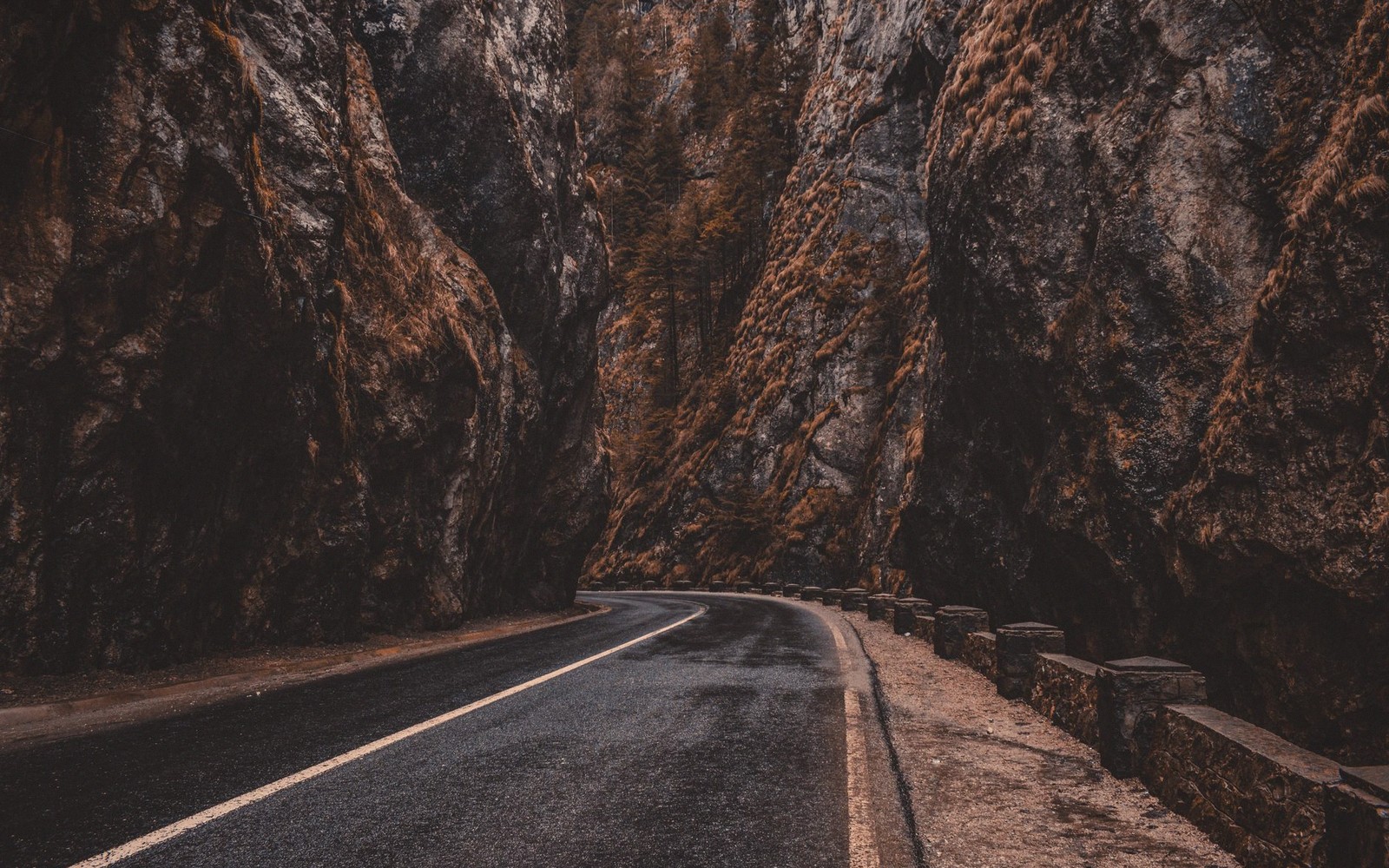
The Maury River doesn't negotiate with the landscape here. At Goshen Pass, in the northern reaches of Rockbridge County, it punches through a narrow gap in Little North Mountain — a sustained, stone-walled corridor where the water runs fast and cold and the road follows because there is nowhere else to go. The pass is short enough to drive in ten minutes and long enough to stop in several times. Most people do both.
Route 39 threads the gorge along the river's south bank, a state highway that behaves for these three miles more like a forest road than a through-route. The mountain walls press in close. In places the rock face rises directly from the road's edge; in others a thin strip of gravel and laurel separates pavement from current. There are no shoulders worth speaking of. The Maury does the talking.
The river through the pass runs over a broken ledge of metamorphic and sedimentary rock, dropping fast enough to be audible before it's visible. In the gorge's midsection, where the gradient steepens and the valley narrows, the water moves with visible force even in summer's lower flows. After a wet spring — or following any significant rain — the Maury fills the channel completely and the sound changes from a run to a roar. Timing matters here more than most people expect.
02When to Come
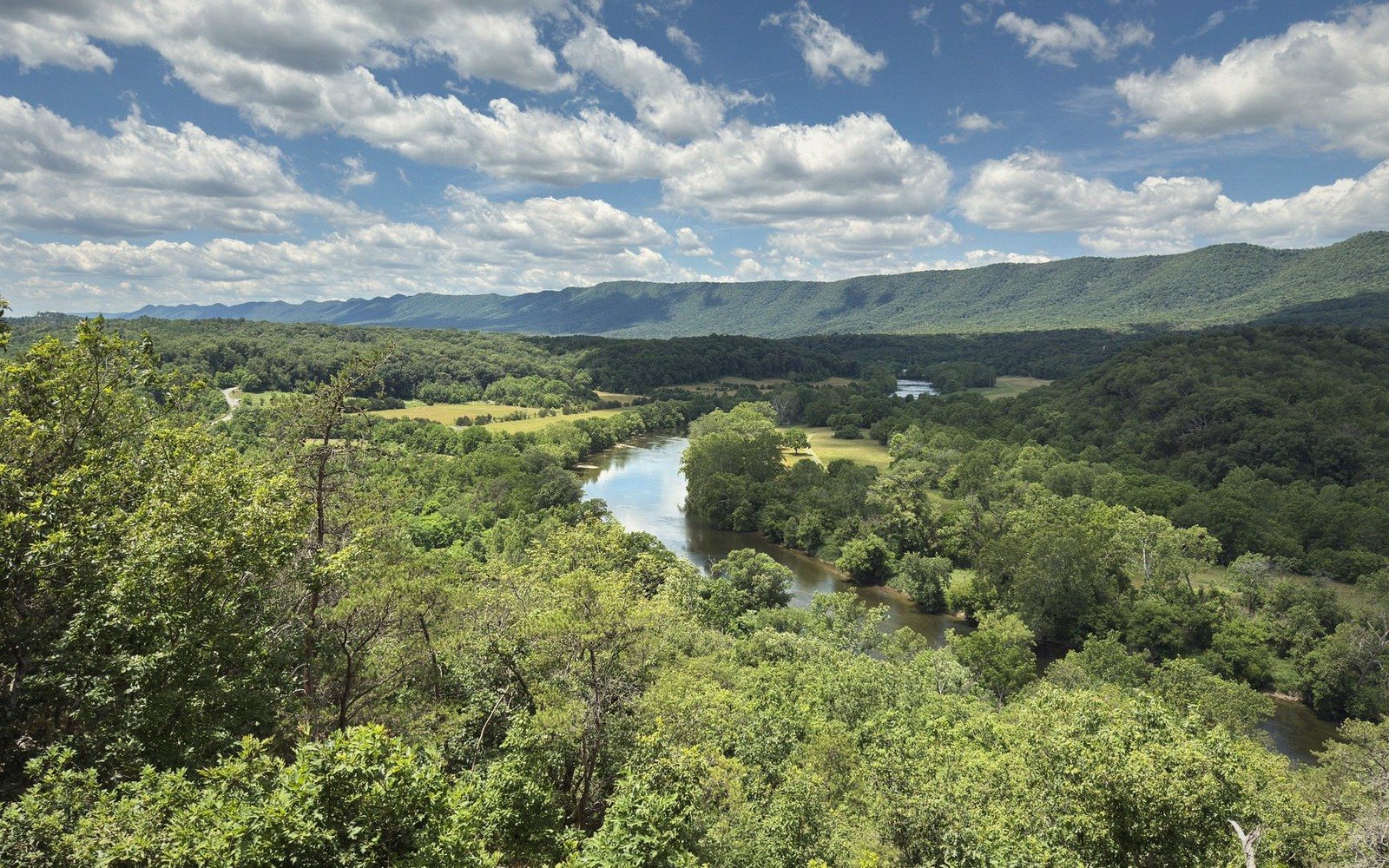
Autumn is the pass at its most photographed, and fairly so. The gorge walls rise several hundred feet on both sides, and when the canopy turns — sourwood and black gum first, then the red maples, then the oaks — the reflected color on the water is a thing worth driving from anywhere to see. The corridor traps light in a particular way in mid-morning and again in late afternoon, when the sun cuts low across the ridge tops and the whole gorge goes briefly luminous. Come midweek if you can; on a peak October weekend the pull-offs fill and the road becomes a slow procession.
Lifted from the entryThe river through the pass runs over a broken ledge of metamorphic and sedimentary rock, dropping fast enough to be audible before it's visible.
Spring deserves equal attention, even if it photographs less neatly. The Maury in high flow is a different river altogether — wider, faster, opaque with tannin — and the gorge amplifies its character. Wildflowers come early to the sheltered slopes: bloodroot, trout lily, trailing arbutus along the higher edges. The laurel blooms later, roughly when the leaves are fully out, and the white flowers massed against the rock face can be startling.
Summer cools the gorge reliably. The canopy closes overhead almost completely, and the air in the cut runs noticeably cooler than the open valley on either side. Swimmers know the passage well; there are gravel bars and calm pools below the main drops where the water collects before moving on.
| Goshen Pass | Maury River |
|---|---|
| narrow gorge where the Maury River cuts through Brushy Mountain, northern Rockbridge County | primary river through Rockbridge County; runs fast through the pass |
Worth knowingIn places the rock face rises directly from the road's edge; in others a thin strip of gravel and laurel separates pavement from current.
03Moving Through It
The pass has informal pull-offs at intervals, and several have been worn into the roadside by long habit. None are formal trailheads, but footpaths trace both the riverbank and parts of the slope above the road, leading upstream and down to different views of the same water. The most-used path stays low and close to the river, passing through hemlock and rhododendron on rocky ground that requires some attention underfoot — roots, wet rock, narrow ledges above the current.
Above the pass proper, where Route 39 climbs briefly before descending into the Goshen village corridor, a roadside pull-off looks back down into the gorge. It is one of the better vantage points in the county — not a dramatic overlook in the Blue Ridge Parkway sense, but a quiet, honest view of where the river has been cutting for a very long time.
The village of Goshen sits just beyond the western mouth of the pass, small and unhurried. The transition from gorge to open road happens quickly, the mountain walls falling away within a quarter mile, and suddenly there is sky again and the river widens and slows. The contrast makes both places sharper. Drive the pass first, then stop. The sequence matters.
Brushy Mountain
Noted on this sheet
ridge through which the Maury cuts at Goshen Pass
From the survey notes
Route 39
Noted on this sheet
state highway running through the pass along the river's south bank
From the survey notes
Goshen
Noted on this sheet
small village at the western mouth of the pass
From the survey notes